Window Guides
Secondary Glazing for Period Homes: Costs, Benefits and Installation
What secondary glazing costs for sash windows in Bristol, how it compares to double glazing, and whether it works for period properties.
- Secondary glazing: £200-600 per window installed
- Removable panels or sliding frames fitted to existing windows
- No planning permission required (usually)
- Reduces heat loss by 60-70%, noise by 70-80%
- Preserves original sash windows
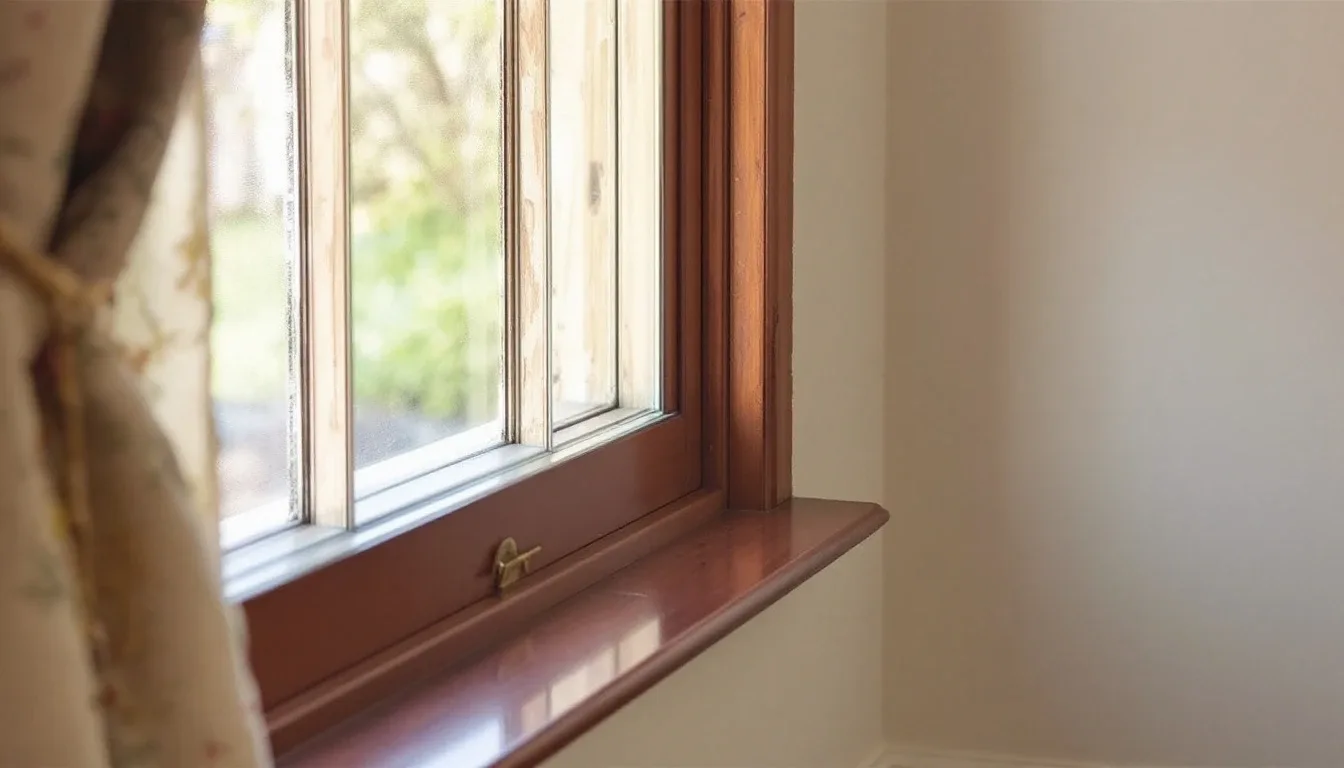
An original timber sash window in a Bristol period home. Windows like this are common across Victorian and Georgian terraces.
Contents
- What is secondary glazing and how does it work?
- Secondary glazing vs double glazing for period homes
- How much does secondary glazing cost in Bristol?
- Secondary glazing for sash windows: what to know
- DIY secondary glazing vs professional installation
- Planning permission and listed buildings in Bristol
- Finding secondary glazing installers in Bristol
- Frequently asked questions
- Related guides
- Secondary glazing cost per window
- £200-£600 installed.
- Heat loss reduction
- 60-70% (U-value around 2.8 W/m2K).
- Noise reduction
- 70-80%, around 7-10 dB.
- Double glazing comparison (sash window)
- £800-£1,500 per window, versus £200-£600 for secondary glazing.
What is secondary glazing and how does it work?
Secondary glazing is a separate window installed on the inside of an existing window. It creates an insulating air gap (typically 100-150mm) between the original glass and the new inner pane, reducing heat loss and external noise without replacing or altering the original window.
Secondary glazing is fitted to the window reveal using slim aluminium or uPVC frames. The inner pane can be fixed, hinged, sliding, or fully removable depending on the system. Most systems use 4-6mm toughened glass or acrylic, though acoustic laminated glass is available for better noise reduction.
Unlike double glazing, which replaces the entire window with a sealed unit containing two panes of glass separated by a 12-20mm gap, secondary glazing sits behind the existing window and can be removed without affecting the original frame or glass.
Secondary glazing is particularly suitable for period homes with original sash windows, where replacing the windows would damage the building's character or require planning permission (Historic England: Secondary Glazing, updated 20241).
Secondary glazing vs double glazing for period homes
For owners of period properties in Bristol, the choice between secondary glazing and double glazing depends on several factors:
| Factor | Secondary glazing | Double glazing |
|---|---|---|
| Cost per window | £200-600 | £800-1,500 (sash windows) |
| Heat loss reduction | 60-70% (U-value ~2.8 W/m²K) | 70-80% (U-value ~1.4-1.8 W/m²K) |
| Noise reduction | 70-80% (7-10 dB reduction) | 50-60% (5-7 dB reduction) |
| Planning permission | Usually not required | May require Listed Building Consent |
| Preserves original windows | Yes | No (replaces windows) |
| Aesthetics (external) | Unchanged | Changes appearance |
| Aesthetics (internal) | Adds secondary frame | Cleaner sightlines |
| Removable | Yes (most systems) | No |
| Condensation risk | Lower (air gap ventilated) | Minimal (sealed unit) |
Secondary glazing provides around 60-70% of the thermal performance of double glazing at around one-third of the cost. For noise reduction, secondary glazing is often superior to double glazing because the larger air gap (100-150mm vs 12-20mm) and separate frames reduce sound transmission more effectively (Energy Saving Trust: Secondary Glazing, 20252).
How much does secondary glazing cost in Bristol?
Secondary glazing typically costs £200-600 per window for professional installation in Bristol. Costs depend on window size, frame type, glass specification, and whether you choose DIY or professional fitting.
Typical costs breakdown
- Standard sliding system: £250-400 per window (aluminium frame, 4mm toughened glass, 2-pane horizontal slider)
- Fixed panel system: £200-300 per window (simplest option, no opening mechanism)
- Hinged system: £350-500 per window (opens like a casement for access and cleaning)
- Lift-out panels: £250-400 per window (fully removable in summer)
- Acoustic laminated glass upgrade: add £50-100 per window
- Vertical slider (sash-style): £400-600 per window (mimics original sash operation)
For a typical Bristol Victorian terrace with 8-10 single-glazed sash windows, full-house secondary glazing costs around £3,000-£5,000 installed. This compares to £8,000-£15,000 to replace the same windows with double-glazed sash replicas.
Secondary glazing is charged at 20% VAT unless installed as part of a broader energy efficiency retrofit that qualifies for reduced VAT rates. Check with your installer whether your project qualifies (HMRC Notice 708/63).
Secondary glazing for sash windows: what to know
Sash windows are common in Bristol's Victorian and Georgian terraces. According to the 2021 Census, around 38% of Bristol's housing stock was built before 1919, with a further 24% built between 1919 and 1944 (ONS Census 20214). Most pre-1920s homes in Bristol have original or replica sash windows.
Secondary glazing is particularly well-suited to sash windows because:
- It preserves the original window and its architectural detail
- It does not require specialist joinery or replacement timber
- It avoids the complexity and cost of double-glazed sash replicas
- It can be removed if you later choose to restore or replace the primary window
Fitting secondary glazing to sash windows
Secondary glazing for sash windows is typically fitted to the internal window reveal or architrave using one of three methods:
- Horizontal sliding track: A two-pane or four-pane sliding system fitted into the reveal. This is the most common and cost-effective option (£250-400 per window).
- Vertical sliding sash: A system that mimics the operation of the original sash window, sliding up and down. More expensive (£400-600) but visually cohesive.
- Lift-out or hinged panels: Individual panels that can be removed entirely or opened on hinges for cleaning and ventilation. Useful for windows that are opened frequently.
Most systems are fitted with minimal fixings (typically screwed into the window reveal or architrave) and can be removed without permanent damage to the original window. This reversibility is important for Listed Buildings and Conservation Areas.
DIY secondary glazing vs professional installation
Secondary glazing can be installed as a DIY project using magnetic or acrylic sheet systems, or professionally installed using aluminium or uPVC frames. Each approach has trade-offs:
DIY secondary glazing kits
DIY kits typically cost £40-120 per window and use magnetic strips or plastic tracks to hold acrylic or polycarbonate sheets in place. Popular brands include Easyfix, Magnetite, and Indow. These systems are cheaper and fully removable, but they:
- Use acrylic or polycarbonate rather than glass, which scratches more easily and may discolor over time
- Have less rigid frames, which can flex or bow on larger windows
- Provide less effective sealing than professional systems, reducing thermal and acoustic performance
- Require careful measurement and fitting to avoid gaps
DIY secondary glazing works best for small windows (less than 1m²) or as a temporary solution. For whole-house retrofits or larger sash windows, professional systems typically perform better and last longer.
Professional secondary glazing
Professional systems use aluminium or uPVC frames with toughened glass, fitted by trained installers. Benefits include:
- Better thermal and acoustic performance due to tighter seals and larger air gaps
- More durable materials (glass, powder-coated aluminium)
- Bespoke fitting to each window, reducing gaps and improving appearance
- Sliding or hinged mechanisms for easier operation and cleaning
- 10-year warranties on frames and installation
Professional installation costs £200-600 per window but typically pays back within 5-10 years through energy savings, particularly on larger windows or in properties with high heating costs.
Planning permission and listed buildings in Bristol
Secondary glazing is usually classed as an internal alteration and does not require planning permission, even in Conservation Areas. However, Listed Buildings have stricter rules:
- Grade I and II* Listed Buildings: You should always seek Listed Building Consent before installing secondary glazing, as some conservation officers consider it to alter the character of the interior. Contact Bristol City Council's conservation team5 before proceeding.
- Grade II Listed Buildings: The rules are less strict, but it is still advisable to inform the council. Most conservation officers accept secondary glazing because it is reversible and preserves the original window.
- Conservation Areas (non-listed): Internal secondary glazing does not usually require planning permission. External appearance is unchanged, so permitted development rights apply.
If you are unsure, contact Bristol City Council's planning department (bristol.gov.uk/planning6) or consult a conservation architect. Historic England provides detailed guidance on secondary glazing for historic buildings (Historic England: Secondary Glazing1).
Finding secondary glazing installers in Bristol
Several national and regional companies offer secondary glazing installation in Bristol. Look for installers who:
- Have experience with period properties and sash windows
- Offer a site survey and bespoke measurement
- Use aluminium or uPVC frames with toughened glass (not acrylic)
- Provide 10-year warranties on frames and installation
- Are members of trade bodies such as the Glass and Glazing Federation (GGF) or Fenestration Self-Assessment Scheme (FENSA)
Recommended installer types
- National specialists: Selectaglaze, Anglian Home Improvements, Everest. These companies have nationwide coverage and long warranties but may be more expensive.
- Regional specialists: Search for "secondary glazing Bristol" or "sash window specialists Bristol" to find local firms with experience in period properties.
- Conservation specialists: For Listed Buildings, look for installers with conservation experience. Ask for references from other Listed Building owners.
Get quotes from at least three installers. Ask for a breakdown of costs, glass specification, frame type, and whether the system is removable. Check reviews on Trustpilot, Checkatrade, or local community forums before committing.
Frequently asked questions
Is secondary glazing as good as double glazing?
Secondary glazing provides around 60-70% of the thermal performance of double glazing but costs significantly less and does not require replacing original windows. For period homes, secondary glazing is often the better choice because it preserves the character of the building, does not require planning permission, and can be removed if needed. For noise reduction, secondary glazing is often superior to double glazing due to the larger air gap (100-150mm vs 12-20mm).
Can I remove secondary glazing in summer?
Yes. Most secondary glazing systems use removable panels, sliding frames, or hinged systems that can be opened or taken out during warmer months. This allows full access to the original window for cleaning and ventilation. Lift-out panel systems are fully removable and can be stored away for the summer.
Do I need planning permission for secondary glazing in Bristol?
Secondary glazing fitted internally does not usually require planning permission, even in Conservation Areas, because it does not alter the external appearance of the building. However, if your property is a Listed Building (Grade I, II*, or II), you should check with Bristol City Council's conservation team before installation. Some conservation officers may require Listed Building Consent for internal alterations, though secondary glazing is generally accepted because it is reversible.
Does secondary glazing reduce noise?
Yes. Secondary glazing is highly effective for noise reduction, particularly when a 100mm or wider air gap is used with acoustic laminated glass. Typical noise reduction is 70-80%, equivalent to a 7-10 dB reduction. This is often better than double glazing because the larger air gap and separate frames reduce sound transmission more effectively (Institute of Acoustics7).
Does secondary glazing cause condensation?
Secondary glazing can cause condensation between the primary and secondary panes if the air gap is not ventilated. Most professional systems include small ventilation slots or breather tubes to allow air circulation and prevent condensation buildup. Condensation is more likely if the primary window is very cold or if there is high indoor humidity. Ensure adequate ventilation in the room and consider using a dehumidifier if condensation is a persistent problem.
Can I clean between the primary and secondary glazing?
Yes. Most secondary glazing systems are designed to allow access for cleaning. Sliding, hinged, or lift-out panels can be opened or removed to clean both sides of the secondary glazing and the internal face of the primary window. Fixed systems may require removal of the entire panel for cleaning, which is typically done once or twice per year.
Will secondary glazing reduce my energy bills?
Yes, but the savings depend on your current windows and heating costs. For a typical Bristol Victorian terrace with 8-10 single-glazed sash windows, secondary glazing can save around £200-300 per year on heating bills (based on gas at 6p/kWh). This gives a payback period of around 10-15 years. Homes with larger window areas or higher heating costs will see shorter payback periods.
Is secondary glazing worth it for sash windows?
Yes, particularly if you want to retain the original windows. Secondary glazing costs around one-third as much as replacing sash windows with double-glazed replicas, provides 60-70% of the thermal performance, and preserves the character and value of period homes. It is the most cost-effective way to improve comfort and reduce energy bills in properties with original sash windows.
Sources
- Historic England. historicengland.org.uk/advice/technical-advice/energy-efficiency-an... (accessed 3 July 2026)
- Energy Saving Trust. energysavingtrust.org.uk/advice/secondary-glazing/ (accessed 3 July 2026)
- GOV.UK. www.gov.uk/guidance/vat-on-energy-saving-materials-and-heating-equi... (accessed 3 July 2026)
- GOV.UK. www.ons.gov.uk/census/maps/choropleth/housing/number-of-bedrooms/nu... (accessed 3 July 2026)
- Bristol City Council. www.bristol.gov.uk/residents/planning-and-building-regulations/list... (accessed 3 July 2026)
- Bristol City Council. www.bristol.gov.uk/residents/planning-and-building-regulations (accessed 3 July 2026)
- Ioa. www.ioa.org.uk/ (accessed 3 July 2026)