Energy Efficiency Guides
Energy Saving Tips for UK Homes: Practical Ways to Cut Your Bills
Actionable energy saving tips from free quick wins to long-term retrofit. Reduce bills with measures proven to work in UK homes.
- Turn thermostat down 1°C: saves £80-£100/year
- Draught-proof doors and windows: saves £25-£50/year
- Switch off standby appliances: saves £45-£60/year
- Install loft insulation (270mm): saves £200-£350/year
- Upgrade to LED lighting: saves £35-£50/year
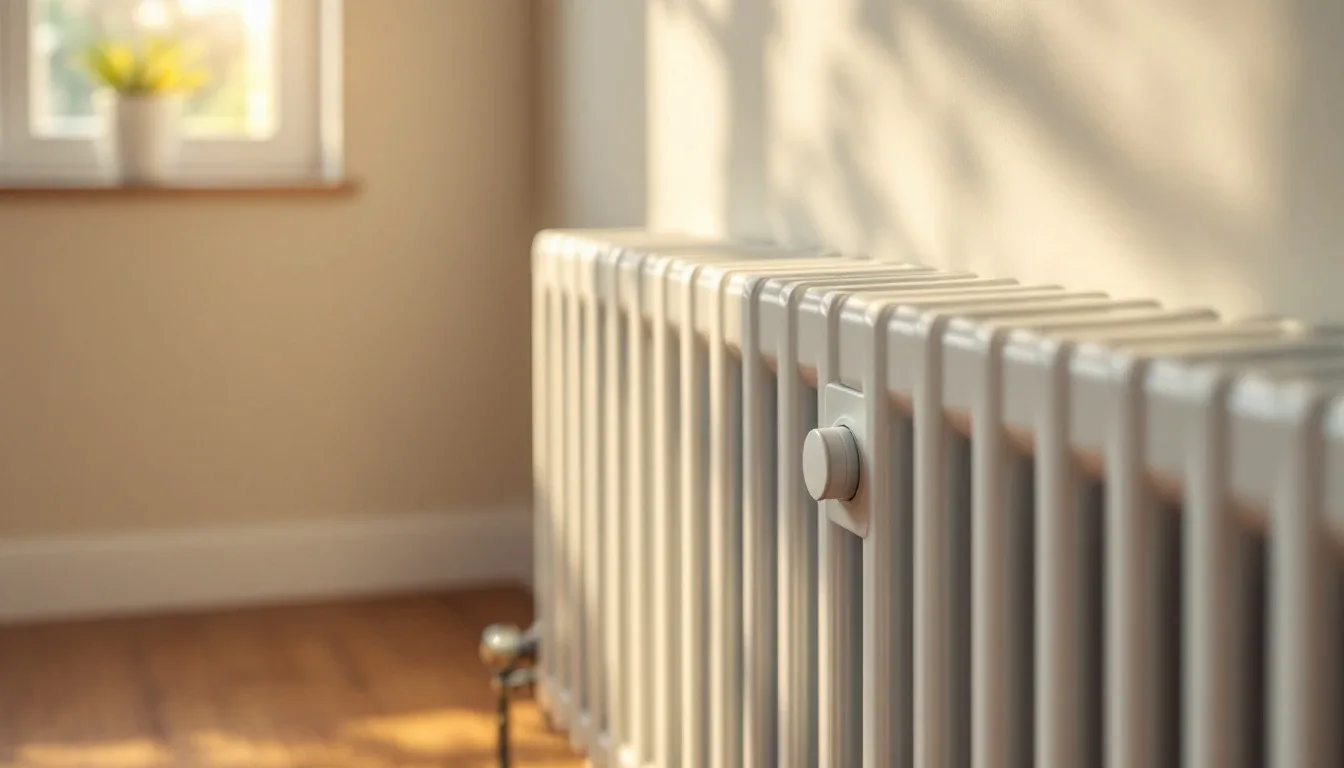
A thermostatic radiator valve lets you control temperature room by room, one of the simplest energy-saving upgrades.
Contents
- Quick wins: free and low-cost energy saving tips
- Medium-term improvements: weatherproofing and upgrades (£100-£1,000 range)
- Long-term investments: retrofit measures (£1,000+ but major ongoing savings)
- Bristol-specific energy saving schemes and grants
- How to track your energy use and savings
- Bristol housing and climate considerations
- Frequently asked questions
- Related guides
- Quick-win savings (combined free/low-cost measures)
- £150-£300 per year.
- Thermostat down 1 degree C
- Saves £80-£100 per year.
- Loft insulation to 270mm
- Costs £300-£600, saves £200-£350 per year.
- Standby appliances left on
- UK households average 9-10 appliances on standby, costing £45-£60 per year.
- LED lighting switch (10 bulbs)
- Saves £35-£50 per year.
Quick wins: free and low-cost energy saving tips
These measures cost little or nothing to implement and can be done immediately. Most households can save £150-£300 per year by combining several of these actions (Energy Saving Trust, 20261).
Heating and hot water
- Turn your thermostat down by 1°C: Saves around £80-£100 per year. Most UK homes are heated to 20-22°C. Reducing to 19°C is still comfortable with appropriate clothing and does not affect health for most people (NHS guidance, 20252).
- Use thermostatic radiator valves (TRVs): Turn down radiators in rooms you don't use often. Hallways, spare rooms, and utility rooms rarely need full heating. Savings: £20-£40/year.
- Reduce hot water temperature to 60°C: Most boilers are set to 65-70°C by default. Reducing to 60°C still kills legionella bacteria but uses less energy. Savings: £20-£30/year.
- Time your heating to match occupancy: Use your heating timer to warm the house only when you're home and awake. Avoid heating overnight or when you're at work. Savings: £60-£100/year depending on current usage patterns.
- Bleed radiators annually: Trapped air reduces radiator efficiency. Bleeding radiators improves heat output and reduces the time your boiler runs. Cost: free if you have a radiator key (£2-£3 if you don't).
- Fit foil reflector panels behind radiators: Reflects heat back into the room rather than warming the wall. Most effective for radiators on external walls. Cost: £10-£20. Savings: £10-£15/year per radiator.
- Shower for less time: Reducing shower time from 10 minutes to 5 minutes saves around £70-£95/year on water heating for a household of four (Ofwat data, 20263).
Appliances and electronics
- Switch off appliances at the plug: UK households leave an average of 9-10 appliances on standby, wasting around £45-£60 per year. TVs, game consoles, set-top boxes, printers, and kitchen appliances all consume power in standby mode (Energy Saving Trust appliance data, 20264).
- Use appliances on eco settings: Dishwashers and washing machines have eco modes that use 20-40% less energy by washing at lower temperatures for longer. Savings: £20-£35/year.
- Wash clothes at 30°C: Modern detergents work effectively at 30°C. Washing at 30°C instead of 40°C uses around 40% less energy per wash. Savings: £15-£25/year for a typical household.
- Fill kettles with only as much water as you need: Boiling a full kettle when you only need one cup wastes energy. Filling to the minimum reduces energy use by up to 50% per boil. Savings: £10-£15/year.
- Air-dry clothes rather than tumble drying: Tumble dryers are one of the most energy-intensive household appliances. A typical tumble dryer costs £100-£150/year to run if used regularly. Air-drying indoors or outdoors (weather permitting) eliminates this cost entirely.
- Defrost freezers regularly: Ice build-up increases freezer energy consumption by up to 30%. Defrost when ice thickness exceeds 5mm. Savings: £10-£20/year.
- Run dishwashers and washing machines only when full: Half-loads waste water and energy. Wait until you have a full load or use half-load settings if available. Savings: £10-£20/year.
Lighting
- Switch to LED bulbs: LEDs use around 80-90% less energy than old incandescent bulbs and last 15-25 times longer. Replacing 10 halogen or old bulbs with LEDs saves £35-£50 per year. LED bulbs cost £2-£8 each (Energy Saving Trust, 20265).
- Turn lights off in empty rooms: Sounds obvious but makes a measurable difference. Leaving lights on unnecessarily adds £15-£25/year to bills.
- Use task lighting rather than lighting whole rooms: A desk lamp or reading light uses far less energy than ceiling lights. Savings: £5-£10/year if done consistently.
Simple draught-proofing
- Fit draught excluders to doors: External doors, loft hatches, and letterboxes are common sources of draughts. Brush or foam excluders cost £5-£15 per door. Savings: £25-£50/year across a typical home (Citizens Advice, 20266).
- Draw curtains at dusk: Closing curtains and blinds reduces heat loss through windows by 10-15%. Thermal or lined curtains are more effective but standard curtains still help. Savings: £10-£20/year.
- Close internal doors: Heating smaller spaces is more efficient than heating a whole house with open doors. Close doors to rooms you're not using. Savings: £15-£30/year.
Medium-term improvements: weatherproofing and upgrades (£100-£1,000 range)
These measures require modest upfront investment but pay back within a few years and deliver ongoing savings. Many are eligible for grants or low-cost loans.
Draught-proofing and weatherproofing
- Professional draught-proofing for windows and doors: Sealing gaps around windows and doors with professional-grade strips and excluders. Cost: £200-£350 for a typical home. Savings: £50-£100/year (Energy Saving Trust, 20267).
- Secondary glazing: A cost-effective alternative to double glazing for period properties or those in Conservation Areas. Fit a second pane of glass or acrylic inside the existing window. Cost: £150-£300 per window (DIY kits) or £400-£800 per window (professionally fitted). Savings: £60-£120/year depending on number of windows treated.
- Insulate hot water tank: If you have a hot water cylinder (not a combi boiler), fit a British Standard insulating jacket (80mm thick minimum). Cost: £15-£25. Savings: £35-£70/year (Ofgem guidance, 20268).
- Insulate hot water pipes: Foam pipe insulation reduces heat loss from pipes carrying hot water from boiler to taps. Cost: £10-£30 for materials. Savings: £10-£20/year.
- Floor draught-proofing: Seal gaps between floorboards or fit insulation under suspended timber floors. Cost: £100-£400 depending on floor area and method. Savings: £40-£70/year.
Heating controls
- Upgrade to a smart thermostat: Smart thermostats learn your patterns and allow you to control heating remotely via smartphone. Nest, Hive, Tado, and others cost £150-£300 installed. Savings: £75-£150/year through better control and reduced heating time (UK Energy Research Centre, 20259).
- Fit thermostatic radiator valves (TRVs): If your radiators don't have TRVs, fitting them allows you to control temperature room by room. Cost: £10-£20 per radiator (DIY) or £150-£300 for a whole house (professionally fitted). Savings: £40-£80/year.
- Upgrade heating timer: Replace old mechanical timers with digital programmers that allow multiple on/off periods per day and different weekend schedules. Cost: £50-£150 installed. Savings: £30-£60/year.
Appliance upgrades
- Replace old appliances with A-rated models: Fridges, freezers, washing machines, and dishwashers more than 10 years old use significantly more energy than modern A-rated equivalents. Replacing a 15-year-old fridge-freezer with an A-rated model saves around £60-£80/year. Check energy labels when buying (UK Energy Labels guidance, 202610).
- Fit water-saving showerheads: Aerating or flow-restricting showerheads reduce water use by 30-50% without noticeably reducing pressure. Cost: £15-£40. Savings: £50-£80/year on water heating.
- Install tap aerators: Small inserts that reduce tap flow while maintaining pressure. Cost: £3-£8 per tap. Savings: £10-£20/year on hot water use.
Long-term investments: retrofit measures (£1,000+ but major ongoing savings)
These measures require significant upfront investment but deliver the highest long-term savings and improve comfort. Many are eligible for grants under ECO4 or the Great British Insulation Scheme.
Insulation
- Loft insulation: Current building regulations recommend 270mm depth. If your loft has less than 100mm, topping up can save £200-£350/year. Cost: £300-£600 for a typical home (DIY) or £500-£900 (professional installation). Payback: 2-4 years. Often available free or subsidized via ECO4 or GBIS (see ECO4 guide).
- Cavity wall insulation: Fills the gap between inner and outer walls with insulating foam or beads. Saves £180-£310/year. Cost: £500-£1,200 for a typical home. Payback: 3-6 years. Often available free or subsidized. Only suitable for properties built after 1920 with cavity walls (two layers of brick with a gap).
- Solid wall insulation: For properties built before 1920 with solid brick or stone walls. Internal insulation costs £4,000-£8,000. External insulation costs £8,000-£15,000. Savings: £300-£500/year. Payback: 10-30 years depending on method and grant support. Check ECO4 eligibility.
- Floor insulation: Insulating under suspended timber floors or on top of solid concrete floors. Cost: £800-£2,500 depending on floor type and area. Savings: £60-£120/year. Payback: 10-20 years.
Windows and doors
- Double glazing: If you still have single-glazed windows, upgrading to double glazing saves £120-£200/year. Cost: £400-£800 per window for uPVC, more for timber or heritage styles. Payback: 10-25 years depending on number of windows (see double glazing costs guide).
- Triple glazing: Marginal benefit over double glazing in UK climate. Adds around £100-£150 per window vs. double glazing. Extra savings: £10-£20/year. Only worth considering for new builds or if replacing windows in very cold or noisy locations.
- Replace external doors: Old, poorly fitting external doors lose significant heat. Modern insulated doors (composite or uPVC) reduce heat loss by 50-70%. Cost: £600-£1,500 per door. Savings: £30-£60/year per door. Payback: 10-25 years.
Heating system upgrades
- Upgrade to a condensing boiler: If your boiler is more than 15 years old, replacing it with a modern A-rated condensing boiler saves around £200-£350/year. Cost: £2,000-£3,500 installed. Payback: 6-15 years. Boilers have a typical lifespan of 12-15 years.
- Heat pump installation: Air source or ground source heat pumps can replace gas or oil boilers, providing heating and hot water from electricity (ideally paired with solar panels). Cost: £8,000-£15,000 for air source, £18,000-£30,000 for ground source. Running costs can be lower than gas if used with off-peak electricity tariffs. Check eligibility for the Boiler Upgrade Scheme (£7,500 grant for heat pumps, gov.uk, 202611).
- Solar panels: Generate free electricity from sunlight. A 4 kW system in Bristol saves £400-£600/year at current energy prices. Cost: £5,000-£7,000 installed. Payback: 8-12 years (see solar panels guide).
Bristol-specific energy saving schemes and grants
Several national and local schemes provide funding for energy efficiency improvements in Bristol homes.
ECO4 scheme (Energy Company Obligation)
ECO4 provides free or heavily subsidized insulation and heating upgrades to low-income and vulnerable households. Eligible measures include loft insulation, cavity wall insulation, solid wall insulation, and boiler upgrades (full ECO4 guide).
Eligibility: You must own or privately rent your home and receive certain benefits (e.g., Pension Credit, Universal Credit, Child Benefit, or others), or have a household income below £31,000/year, or have a health condition made worse by a cold home.
Apply: Contact participating energy suppliers or use the Simple Energy Advice website12 to check eligibility.
Great British Insulation Scheme (GBIS)
GBIS offers support for loft and cavity wall insulation regardless of income. Council Tax bands A-D are eligible (most Bristol properties fall into these bands). Measures are free or available for a small contribution depending on household circumstances (gov.uk GBIS guidance, April 202613).
Apply: Through participating energy suppliers or installers. Check the gov.uk website for approved providers.
Bristol City Council energy schemes
Bristol City Council runs occasional grant and loan schemes for energy efficiency improvements. Recent schemes have included solar panel support for social housing tenants and interest-free loans for retrofit measures.
Check current schemes: Bristol City Council energy advice page14 or contact the council's energy advice team at energyadvice@bristol.gov.uk.
West of England Combined Authority (WECA) schemes
WECA covers Bristol, Bath, North Somerset, and South Gloucestershire. WECA has funded retrofit schemes in the past and may run future programs. Check the WECA website15 for active schemes.
Boiler Upgrade Scheme
The UK-wide Boiler Upgrade Scheme provides £7,500 grants for air source heat pumps and £7,500 for ground source heat pumps (replacing grants of £5,000 and £6,000 respectively as of April 2026). Biomass boilers receive £5,000. Available to homeowners and some landlords (gov.uk, 202611).
How to track your energy use and savings
Tracking energy consumption helps identify high-consuming appliances, wasteful habits, and the impact of energy-saving measures. Here's how to monitor your energy use effectively.
Smart meters
Smart meters provide real-time information on gas and electricity consumption via an in-home display. All UK energy suppliers are required to offer smart meters free of charge. Smart meters automatically send readings to your supplier, eliminating estimated bills (Smart Energy GB, 202616).
To get a smart meter, contact your energy supplier. Installation is free and typically takes 1-2 hours.
Energy monitors
Clip-on energy monitors attach to your electricity meter and display current usage, cost per hour, and historical consumption. Good options include Efergy, Owl Intuition, and Loop (which works with smart meters). Cost: £20-£50. Studies show energy monitor users reduce consumption by 5-15% on average (Energy Saving Trust, 202517).
Appliance energy monitors
Plug-in monitors measure the energy consumption of individual appliances. Useful for identifying energy-hungry devices like old fridges, dehumidifiers, or entertainment systems left on standby. Cost: £10-£25. Examples: Efergy E-Socket, Energenie MiHome Monitor.
Mobile apps and online accounts
Most energy suppliers offer mobile apps or online account dashboards showing daily, weekly, and monthly consumption. Some apps provide personalized tips and comparisons with similar households. Check your supplier's website or app store.
Home Energy Assessment
A professional home energy assessment identifies heat loss, insulation gaps, and inefficient appliances. Assessments include thermal imaging, air tightness testing, and personalized recommendations. Cost: £150-£400 depending on property size and detail level. Some assessments are available free through ECO4 or local council schemes (see home energy assessment guide).
Bristol housing and climate considerations
Bristol's housing stock and climate present specific energy-saving opportunities and challenges.
Housing stock types
Bristol has a large proportion of Victorian and Edwardian terraces, many with solid walls (no cavity). Solid wall insulation is more expensive than cavity wall insulation but delivers higher savings due to the poor thermal performance of uninsulated solid brick. Check whether your property has cavity or solid walls before requesting insulation quotes.
Bristol also has many 1930s-1960s semi-detached and terraced houses with cavity walls. These properties are usually eligible for cavity wall insulation, which is cost-effective and often available free or subsidized.
Climate and weather
Bristol has a mild oceanic climate with average January temperatures around 4-7°C and July temperatures around 15-21°C (Met Office UK Climate Averages, 202518). Heating is required for around 7-8 months of the year (October to April). Bristol is rarely cold enough for extreme insulation measures seen in Scotland or northern England, but draught-proofing and basic insulation deliver strong returns.
Bristol's mild winters mean heat pumps perform efficiently for most of the year. Air source heat pumps are viable in Bristol without requiring very expensive radiator upgrades or underfloor heating in most cases.
Solar potential
Bristol's southwestern location gives it above-average solar irradiance for the UK. Solar panels generate around 850-900 kWh per kW installed per year in Bristol, compared to a UK average of 750-850 kWh/kW. This makes solar panels a cost-effective long-term investment in Bristol (see solar panels guide).
Frequently asked questions
What is the quickest way to reduce energy bills in the UK?
The quickest wins are turning down your thermostat by 1°C (saves around £80-£100/year), draught-proofing doors and windows (saves £25-£50/year), and switching off appliances at the plug rather than leaving them on standby (saves £45-£60/year). These measures cost little or nothing to implement and can be done immediately.
How much can I save by improving home insulation?
Loft insulation to 270mm depth saves around £200-£350/year in a typical UK home. Cavity wall insulation saves £180-£310/year. Solid wall insulation (external or internal) saves £300-£500/year but costs significantly more. Actual savings depend on property type, heating fuel, and current insulation levels (Energy Saving Trust, 202619).
Should I switch to Economy 7 or a time-of-use tariff?
Economy 7 and time-of-use tariffs charge lower rates for electricity used overnight (typically 00:00-07:00) and higher rates during the day. These tariffs suit households that can shift high-consuming activities (e.g., electric vehicle charging, washing machine, dishwasher, immersion heater) to overnight periods. Check whether your overnight usage justifies the higher daytime rate. Use your energy monitor or smart meter data to estimate daytime vs. overnight consumption before switching.
Are energy monitors worth it?
Yes. Research by the Energy Saving Trust shows that households using energy monitors reduce consumption by 5-15%, saving £100-£200/year on average. Monitors cost £20-£50 and help identify high-consuming appliances and wasteful heating patterns. Most pay back within 3-6 months (Energy Saving Trust, 202517).
What grants are available for energy efficiency improvements in Bristol?
The ECO4 scheme provides free or subsidized insulation and heating upgrades for low-income and vulnerable households. The Great British Insulation Scheme offers support for cavity wall and loft insulation regardless of income (eligibility based on Council Tax band A-D). Bristol City Council runs occasional local schemes. Check eligibility at Simple Energy Advice12 or contact the council's energy advice team.
How do I know if my walls are solid or cavity?
Measure the width of your wall at a door or window. If it's more than 260mm (about 10 inches), you probably have cavity walls. If it's less than 260mm, you likely have solid walls. Alternatively, look at the brickwork pattern. Cavity walls typically have a regular stretcher bond (bricks laid lengthways). Solid walls often have Flemish or English bond (alternating headers and stretchers). If in doubt, ask a surveyor or insulation installer to check.
Should I insulate before or after getting solar panels?
Insulate first. Insulation reduces your overall energy demand, which means you need a smaller (cheaper) solar panel system to cover the same proportion of your consumption. Insulation also improves comfort and reduces bills immediately, whereas solar panels take 8-12 years to pay back. Prioritize loft insulation, cavity wall insulation, and draught-proofing before investing in solar panels.
Sources
- Energy Saving Trust. energysavingtrust.org.uk/advice/quick-tips-to-save-energy/ (accessed 3 July 2026)
- Nhs. www.nhs.uk/live-well/seasonal-health/keep-warm-keep-well/ (accessed 3 July 2026)
- GOV.UK. www.ofwat.gov.uk/households/your-water-bill/save-water-and-money/ (accessed 3 July 2026)
- Energy Saving Trust. www.energysavingtrust.org.uk/advice/televisions/ (accessed 3 July 2026)
- Energy Saving Trust. energysavingtrust.org.uk/advice/lighting/ (accessed 3 July 2026)
- Citizens Advice. www.citizensadvice.org.uk/consumer/energy/energy-supply/get-help-pa... (accessed 3 July 2026)
- Energy Saving Trust. energysavingtrust.org.uk/advice/draught-proofing/ (accessed 3 July 2026)
- Ofgem. www.ofgem.gov.uk/information-consumers/energy-advice-households/che... (accessed 3 July 2026)
- GOV.UK. www.energy.gov.uk/topics/heating-and-cooling/smart-thermostats (accessed 3 July 2026)
- GOV.UK. www.gov.uk/guidance/energy-labels (accessed 3 July 2026)
- GOV.UK. www.gov.uk/apply-boiler-upgrade-scheme (accessed 3 July 2026)
- Simpleenergyadvice. www.simpleenergyadvice.org.uk/ (accessed 3 July 2026)
- GOV.UK. www.gov.uk/apply-great-british-insulation-scheme (accessed 3 July 2026)
- Bristol City Council. www.bristol.gov.uk/residents/housing/housing-energy-advice (accessed 3 July 2026)
- West of England Combined Authority. www.westofengland-ca.gov.uk/ (accessed 3 July 2026)
- Smartenergygb. www.smartenergygb.org/en/about-smart-meters (accessed 3 July 2026)
- Energy Saving Trust. energysavingtrust.org.uk/advice/energy-monitors/ (accessed 3 July 2026)
- Met Office. www.metoffice.gov.uk/research/climate/maps-and-data/uk-climate-aver... (accessed 3 July 2026)
- Energy Saving Trust. energysavingtrust.org.uk/advice/insulation/ (accessed 3 July 2026)